














































Hello Folks!
I’m Ornellius, UX Lead at Vodafone Idea.
Welcome to episode five of <beta> than ever, your ultimate weekly product design guide. Last time we explored the “The future of tech through the lense of product design”
Firstly, Happy Diwali!
As a Diwali special, today, we’ll dive deep into how top brands create magical moments during festivals, and why these approaches work so effectively.
Understanding the Indian Digital User
Before we dive into specific examples, it’s crucial to understand why festival-themed features resonate so deeply with Indian users. We’re a culture that celebrates together – our festivals aren’t just days off, they’re community experiences. When apps incorporate these celebrations, they transform from mere utilities into participants in our festivities.
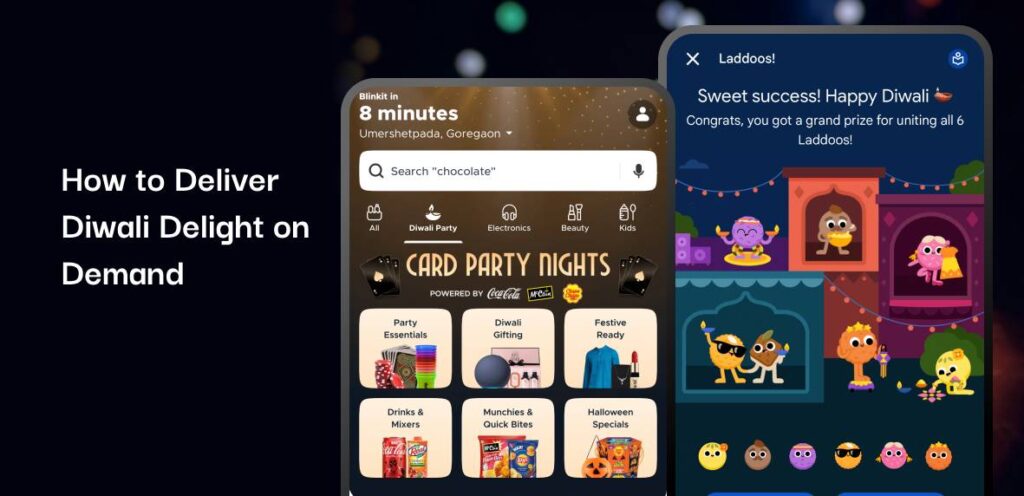
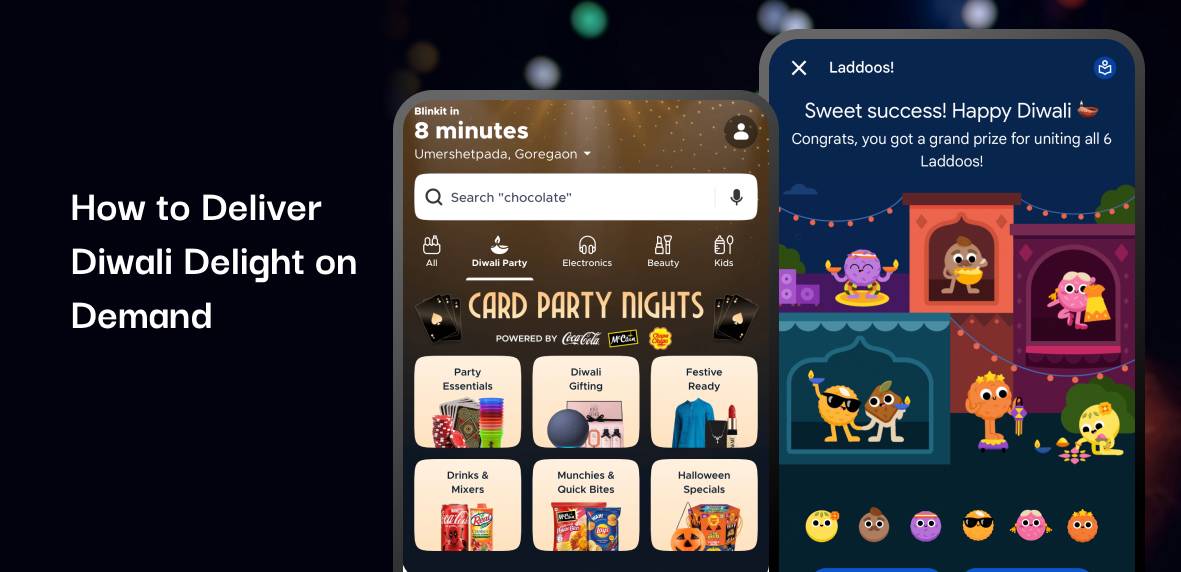
It is incredible to see soooooooo many apps do some some phenomenal work when it comes creating moments of delight during Diwali. Right from Blinkit creating a section related to card games (subtle nod to teen patti and others generally played during diwali) to Zepto providing pooja essentials to Zomato creating party packs for large orders. These apps have truly understood what their customers do during a festival.
So the next time you need to work on a brief involving festive app design, come here, read this. Here are a few ideas, inspired by the best, that could help you design delight for festivities.
The Art of Festival-First Design
1. Loading Screen Magic
This screen opens immediately after you tap on the app icon. It’s an intermediate loading screen shown to users while the contents of the home page load properly. Also, known as the splash screen, here brands usually showcase the brand value or elements related to the app to help with brand reinforcement.
Examples:
- Vi’s Spin the Wheel: They transformed their loading screen into a Diwali-themed wheel of fortune
- Zomato’s Warm Welcome: Their loading screen features traditional Diwali elements
Why This Works:
- First impressions matter. These screens set the mood before users even start using the app
- The brief loading time becomes an opportunity for delight rather than frustration
- Creates immediate emotional connection through cultural relevance
2. Festive Home Screen Transformations
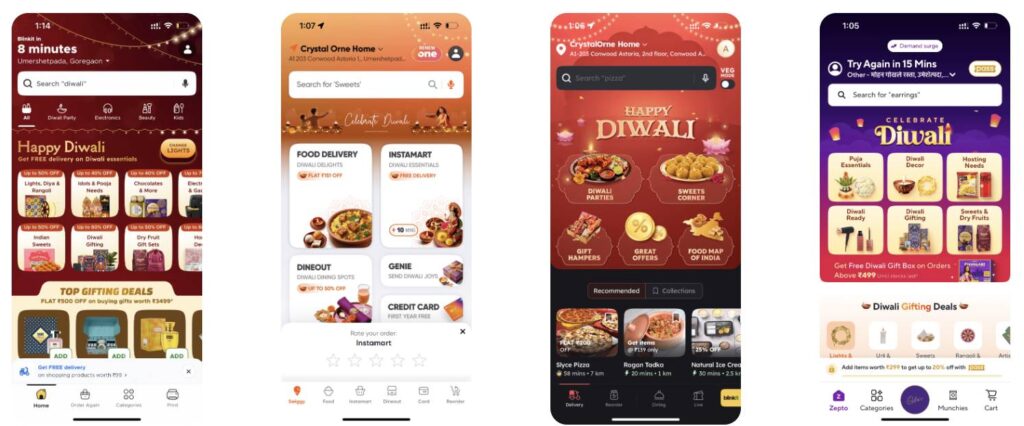
This year, multiple brands changed their home screen to wish their users with cute characters and warm visuals. The home screen is usually where your customer will spend most of their time. So make your home screens fun and engaging
Examples:
- Zepto, Swiggy, Blinkit, and Zomato’s festive makeovers
- Integration of diyas, rangoli patterns, and traditional motifs
Why This Works:
- Maintains core functionality while adding celebratory elements
- Users feel the app is celebrating with them
- Creates a sense of freshness without disrupting familiar patterns
3. Contextual Festival Product Grouping
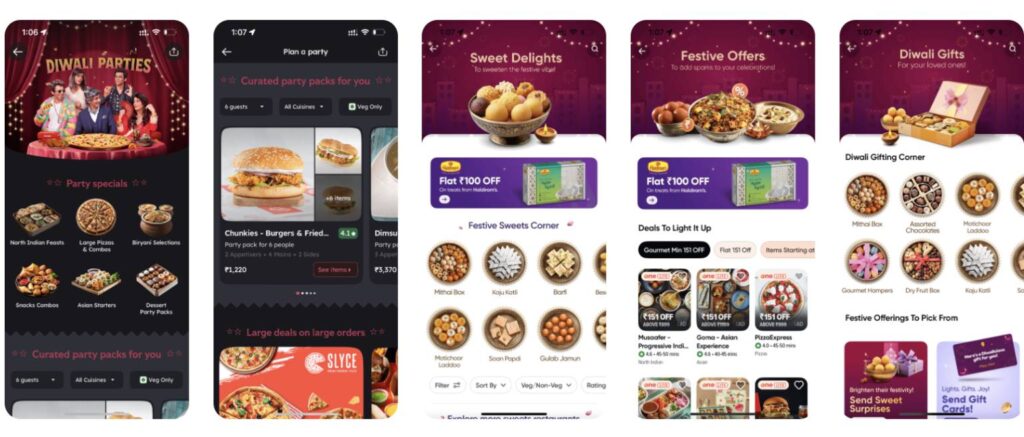
This approach is particularly brilliant because it requires minimal system changes but delivers maximum impact. It’s all a game of category creation, relevant to the festival.
Examples:
- Zomato created categories on diwali parties, sweets corner, gift hamper, great offers, food map of India. Their party packs where you could select number of people and cuisine was a smart addition to help customer take a decision quickly.
- Swiggy created categories on diwali categories like sweet delights, festive offers, diwali parties, gifting sweet things,
Why This Works:
- Localization by Mixing cuisines that people usually order during festivals
- Makes festival shopping more intuitive
- Reduces user effort in finding festival-specific items
- Creates natural upsell opportunities through contextual bundling
4. Festival-Specific Product Innovation
Examples:
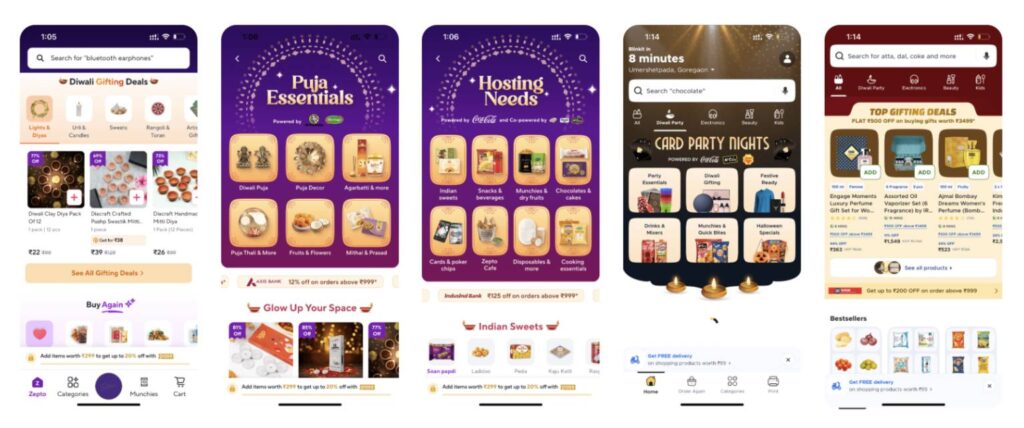
- Zepto & Blinkit’s special pooja kits for Diwali
Why This Works:
- Shows deep understanding of user needs during festivals
- Creates convenience during busy festival periods
5. Celebratory Success Screens
Example:
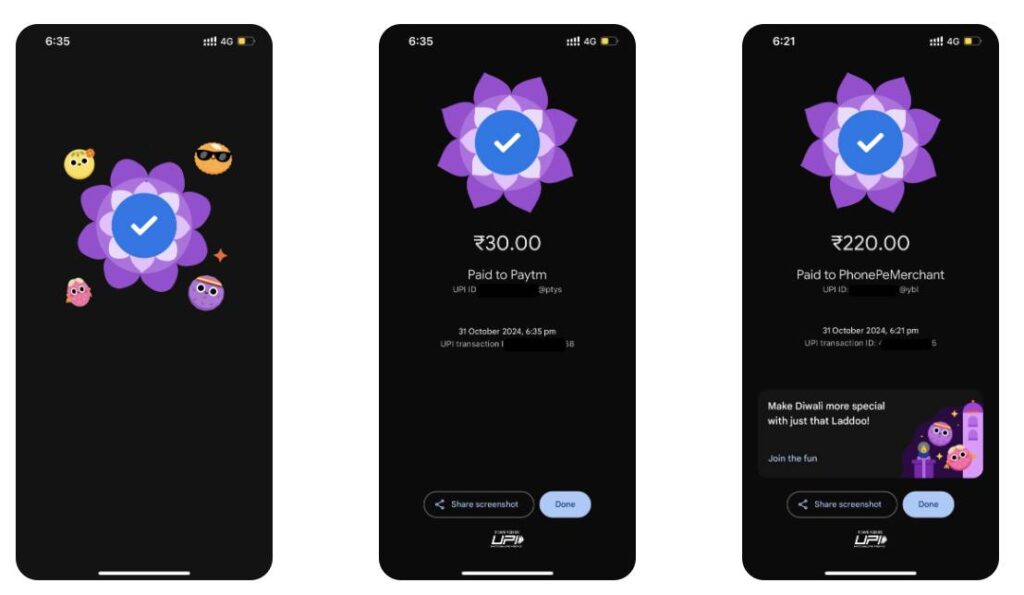
- Google Pay’s animated transaction success screens
Why This Works:
- Transforms routine actions into celebratory moments
- Adds an element of surprise and delight
- Reinforces positive associations with transactions
6. Gamified Product Discovery
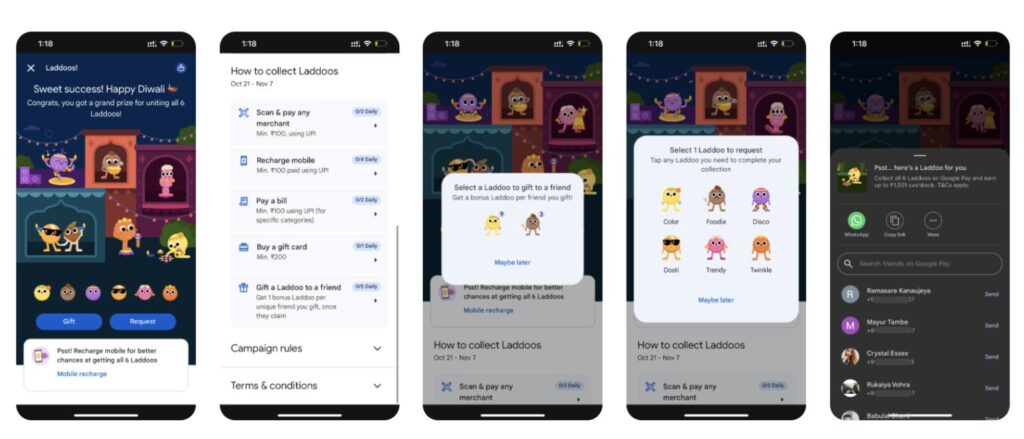
Google Pay’s Laddoo Game Analysis:
- Encourages exploration of different payment methods
- Rewards with virtual laddoos that convert to real money
- Incorporates sharing mechanism for viral growth
Why This Works:
- Makes product discovery fun rather than forced
- Creates viral loops through social sharing
- Offers tangible rewards for engagement
Best Practices for Festival Features
1. Timing Strategy:
- Launch 2-3 weeks before festivals
- Create urgency through early bird offers
- Consider regional festival variations
2. Family-Centric Approach:
- Group features that encourage family participation
- Shared experiences in digital space
- Family-oriented rewards and benefits
3. Value Proposition:
- Festival-specific cashback
- Family plan discounts
- Enhanced loyalty rewards during festivals
The Psychology Behind Successful Festival Features
1. Community Connection:
- Features that encourage sharing and group participation
- Social elements that mirror real-world festival celebrations
2. Cultural Authenticity:
- Using appropriate cultural symbols and traditions
- Understanding regional nuances
- Respecting festival sentiments
3. Reward Psychology:
- Immediate gratification through animations and effects
- Tangible benefits through cashbacks and offers
- Social recognition through shareable achievement
Wrapping Up
Creating festival delight in apps isn’t just about adding sparkles and colors – it’s about understanding the cultural context and creating meaningful interactions that enhance the festival experience. The most successful implementations are those that blend seamlessly with user behaviors while adding that extra touch of magic that makes festivals special.
As you design your festival features, remember: the goal isn’t just to create temporary excitement, but to build lasting emotional connections with your users through culturally relevant and valuable experiences.
Once again, happy Diwali.
Stay creative, stay bold, and as always, stay <beta> than ever!

Hello Folks!
I’m Ornellius, UX Lead at Vodafone Idea.
Welcome to episode five of <beta> than ever, your ultimate weekly product design guide. Last time we explored the “The future of tech through the lense of product design”
Firstly, Happy Diwali!
As a Diwali special, today, we’ll dive deep into how top brands create magical moments during festivals, and why these approaches work so effectively.
Understanding the Indian Digital User
Before we dive into specific examples, it’s crucial to understand why festival-themed features resonate so deeply with Indian users. We’re a culture that celebrates together – our festivals aren’t just days off, they’re community experiences. When apps incorporate these celebrations, they transform from mere utilities into participants in our festivities.
It is incredible to see soooooooo many apps do some some phenomenal work when it comes creating moments of delight during Diwali. Right from Blinkit creating a section related to card games (subtle nod to teen patti and others generally played during diwali) to Zepto providing pooja essentials to Zomato creating party packs for large orders. These apps have truly understood what their customers do during a festival.
So the next time you need to work on a brief involving festive app design, come here, read this. Here are a few ideas, inspired by the best, that could help you design delight for festivities.
The Art of Festival-First Design
1. Loading Screen Magic
This screen opens immediately after you tap on the app icon. It’s an intermediate loading screen shown to users while the contents of the home page load properly. Also, known as the splash screen, here brands usually showcase the brand value or elements related to the app to help with brand reinforcement.
Examples:
- Vi’s Spin the Wheel: They transformed their loading screen into a Diwali-themed wheel of fortune
- Zomato’s Warm Welcome: Their loading screen features traditional Diwali elements
Why This Works:
- First impressions matter. These screens set the mood before users even start using the app
- The brief loading time becomes an opportunity for delight rather than frustration
- Creates immediate emotional connection through cultural relevance
2. Festive Home Screen Transformations
This year, multiple brands changed their home screen to wish their users with cute characters and warm visuals. The home screen is usually where your customer will spend most of their time. So make your home screens fun and engaging
Examples:
- Zepto, Swiggy, Blinkit, and Zomato’s festive makeovers
- Integration of diyas, rangoli patterns, and traditional motifs
Why This Works:
- Maintains core functionality while adding celebratory elements
- Users feel the app is celebrating with them
- Creates a sense of freshness without disrupting familiar patterns
3. Contextual Festival Product Grouping
This approach is particularly brilliant because it requires minimal system changes but delivers maximum impact. It’s all a game of category creation, relevant to the festival.
Examples:
- Zomato created categories on diwali parties, sweets corner, gift hamper, great offers, food map of India. Their party packs where you could select number of people and cuisine was a smart addition to help customer take a decision quickly.
- Swiggy created categories on diwali categories like sweet delights, festive offers, diwali parties, gifting sweet things,
Why This Works:
- Localization by Mixing cuisines that people usually order during festivals
- Makes festival shopping more intuitive
- Reduces user effort in finding festival-specific items
- Creates natural upsell opportunities through contextual bundling
4. Festival-Specific Product Innovation
Examples:
- Zepto & Blinkit’s special pooja kits for Diwali
Why This Works:
- Shows deep understanding of user needs during festivals
- Creates convenience during busy festival periods
5. Celebratory Success Screens
Example:
- Google Pay’s animated transaction success screens
Why This Works:
- Transforms routine actions into celebratory moments
- Adds an element of surprise and delight
- Reinforces positive associations with transactions
6. Gamified Product Discovery
Google Pay’s Laddoo Game Analysis:
- Encourages exploration of different payment methods
- Rewards with virtual laddoos that convert to real money
- Incorporates sharing mechanism for viral growth
Why This Works:
- Makes product discovery fun rather than forced
- Creates viral loops through social sharing
- Offers tangible rewards for engagement
Best Practices for Festival Features
1. Timing Strategy:
- Launch 2-3 weeks before festivals
- Create urgency through early bird offers
- Consider regional festival variations
2. Family-Centric Approach:
- Group features that encourage family participation
- Shared experiences in digital space
- Family-oriented rewards and benefits
3. Value Proposition:
- Festival-specific cashback
- Family plan discounts
- Enhanced loyalty rewards during festivals
The Psychology Behind Successful Festival Features
1. Community Connection:
- Features that encourage sharing and group participation
- Social elements that mirror real-world festival celebrations
2. Cultural Authenticity:
- Using appropriate cultural symbols and traditions
- Understanding regional nuances
- Respecting festival sentiments
3. Reward Psychology:
- Immediate gratification through animations and effects
- Tangible benefits through cashbacks and offers
- Social recognition through shareable achievement
Wrapping Up
Creating festival delight in apps isn’t just about adding sparkles and colors – it’s about understanding the cultural context and creating meaningful interactions that enhance the festival experience. The most successful implementations are those that blend seamlessly with user behaviors while adding that extra touch of magic that makes festivals special.
As you design your festival features, remember: the goal isn’t just to create temporary excitement, but to build lasting emotional connections with your users through culturally relevant and valuable experiences.
Once again, happy Diwali.
Stay creative, stay bold, and as always, stay <beta> than ever!